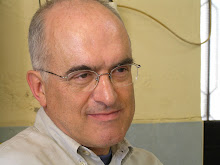
Manuel Alegre, com o seu desprezo pelas finanças públicas (há mais vida para além do défice), que nunca criticou os regimes ditatoriais que o receberam (Argélia, durante o período da Rádio Portugal Livre, União Soviética e outros), não me inspira qualquer espécie de confiança.
Poderá ser outro político irresponsável, como Otelo foi, com demasiado gosto pelo poder, e pouco respeito pela democracia, hesitante e perigoso.
Ora acontece o seguinte:
Os dirigentes do PS que nos governam, a começar por Sócrates, não têm o mínimo ideário socialista.
Atropelam tudo: demitem jornalistas e directores de jornais;
Promovem obras sem concurso;
Nomeiam toda a gente da cor de quem governa, em vez de promoverem concursos;
Controlam cada vez mais a economia, através do controle de bancos (Millennium, CGD).
Faltas-lhe controlar o Presidente da República e as Forças Armadas.
A criação de milícias ou o domínio das forças militarizadas a favor destes senhores facilitar-lhes ia a tarefa.
Ora, a troco e umas patacoadas de esquerda, Manuel Alegre prestar-se-ia a isso muito bem.
Teríamos um regime semelhante ao de Hugo Chavez, com quem Sócrates se entende tão bem.
Será isto que os portugueses querem?
A falta de tradição democrática em portugal e a corrupção das democracias neste país facilita este tipo de derivações. Daí o perigo que se perfila.
Monday, January 18, 2010

Wednesday, January 06, 2010
Programa para o relançamento da economia portuguesa
Se eu tivesse que resumir um programa para o relançamento da economia portuguesa diria apenas 3 coisas: auditorias, concursos e microcrédito
As auditorias seriam generalizadas, vistas como um necessário "sair da secretária", que acabaria por melhorar e simplificar toda a administração pública.
Em vez de nomeações políticas ou por cunha, os concursos generalizar-se-iam, desde o menor dos lugares até aos mais importantes cargos administrativos nas empresas públicas (Director dos Correios, da Televisão estatal, de hospitais etc.). Isto também contribuiria para sanear rapidamente a administração pública,
O microcrédito promoveria as micro-empresas e o desenvolvimento regional, e não se oporia às obras maiores nem ao financiamento mais tradicional
As auditorias seriam generalizadas, vistas como um necessário "sair da secretária", que acabaria por melhorar e simplificar toda a administração pública.
Em vez de nomeações políticas ou por cunha, os concursos generalizar-se-iam, desde o menor dos lugares até aos mais importantes cargos administrativos nas empresas públicas (Director dos Correios, da Televisão estatal, de hospitais etc.). Isto também contribuiria para sanear rapidamente a administração pública,
O microcrédito promoveria as micro-empresas e o desenvolvimento regional, e não se oporia às obras maiores nem ao financiamento mais tradicional
Friday, January 01, 2010
Semear terrorismo
Ontem foi a Al Qaeda e o ataque às torres gêmeas. Hoje são duas guerras perdidas: o Iraque e o Afeganistão.
Enquanto não abandonarem o apoio às políticas sionistas de Israel e não deixarem de interferir nos países do Médio Oriente, os estados Unidos e os seus aliados semearão inimigos onde semearam guerra suja e danos colaterais.
Irão, Iémen, Afeganistão, Iraque, Somália. O extremismo islâmico alastra. Imperialismo gera imperialismo de sinal contrário.
Enquanto não abandonarem o apoio às políticas sionistas de Israel e não deixarem de interferir nos países do Médio Oriente, os estados Unidos e os seus aliados semearão inimigos onde semearam guerra suja e danos colaterais.
Irão, Iémen, Afeganistão, Iraque, Somália. O extremismo islâmico alastra. Imperialismo gera imperialismo de sinal contrário.
Wednesday, December 30, 2009
Marcha por Gaza
Uma sobrevivente do holocausto faz greve da fome pelo fim do bloqueio a Gaza. Chama-se Hedy Epstein e tem 85 anos.
um grupo de activistas internacionais vai tentar entrar em Gaza a partir do Egipto, e por todo o mundo vão realizar-se acções de protesto contra a invasão de 2009 e contra o bloqueio assassino a este região.
Ver www.gazafreedommarch.org.
um grupo de activistas internacionais vai tentar entrar em Gaza a partir do Egipto, e por todo o mundo vão realizar-se acções de protesto contra a invasão de 2009 e contra o bloqueio assassino a este região.
Ver www.gazafreedommarch.org.
microcrédito
Parece-me que a filosofia geral subjacente ao microcrédito é mais evoluída do que a dos subsídios de desemprego e de reinserção social. Muitos dinheiros públicos em Portuga deveriam ser investidos em microcrédito, para regionalizar, limpar e reconstruir o país.
E o Microcrédito tem se de sustentar a si mesmo, ser autónomo e gerar lucros.
Um dos oponentes a isto é ainda uma certa arrogância europeia, que se julga sempre superior.

Veja-se o que pensa sobre isto um colunista de Bornéu, Indonésia. Texto picado de hornbillunleashed.files.wordpress.com.
Kaypo Anak Sarawak is a Columnist of Hermit Hornbill at The Borneo Post Online
What our country needs is a kind of workable microcredit scheme for the needy to get involved in entrepreneurship. Microcredit is the extension of small loans to those individuals who lack collateral, steady employment, and a credit history, and so has no access to traditional credit facilities.
Microcredit is an innovation in the world of microfinance pioneered by the Grameen Bank in Bangladesh. Its founder and director, Muhammad Yunus (left) was awarded the Nobel Prize for Peace for his contribution to the idea and its implementation. It has proven to be very successful in Bangladesh and India.
In Bangladesh, the target groups of microfinancing have always been women. They have discovered that women are always more responsible when taking such micro-loans; the repayment rate is around 98 per cent.
Mas o microcrétito não deve sobrepor-se mas marchar ao lado de algumas grandes obras públicas e da assistência social mais tradicional.
Depois, ganhada experiência, ver-se-á melhor qual o caminho a seguir
E o Microcrédito tem se de sustentar a si mesmo, ser autónomo e gerar lucros.
Um dos oponentes a isto é ainda uma certa arrogância europeia, que se julga sempre superior.

Veja-se o que pensa sobre isto um colunista de Bornéu, Indonésia. Texto picado de hornbillunleashed.files.wordpress.com.
Kaypo Anak Sarawak is a Columnist of Hermit Hornbill at The Borneo Post Online
What our country needs is a kind of workable microcredit scheme for the needy to get involved in entrepreneurship. Microcredit is the extension of small loans to those individuals who lack collateral, steady employment, and a credit history, and so has no access to traditional credit facilities.
Microcredit is an innovation in the world of microfinance pioneered by the Grameen Bank in Bangladesh. Its founder and director, Muhammad Yunus (left) was awarded the Nobel Prize for Peace for his contribution to the idea and its implementation. It has proven to be very successful in Bangladesh and India.
In Bangladesh, the target groups of microfinancing have always been women. They have discovered that women are always more responsible when taking such micro-loans; the repayment rate is around 98 per cent.
Mas o microcrétito não deve sobrepor-se mas marchar ao lado de algumas grandes obras públicas e da assistência social mais tradicional.
Depois, ganhada experiência, ver-se-á melhor qual o caminho a seguir
Monday, December 28, 2009
Care2 Causes - Gaza
Care2 Causes [care2-causes@newsletters.care2.com]
http://www.care2.com/causes/politics/blog/one-year-later-remembering-the-attacks-in-gaza/. Acedido em 2009/12/28
One Year Later: What is the International Community Doing About Gaza?
posted by: Nisha C. 1 day ago
One year ago December 27th was the beginning of a 22-day Israeli raid on the Palestinian territory of Gaza. In this attack, estimates counted nearly 1,400 Palestinians and 13 Israelis killed, and severe damage was inflicted on Gaza's infrastructure. Today, a year after the attacks, Gaza is still struggling to recover.
Ban Ki-Moon, Secretary General of the United Nations, released a statement posted on the UN website saying he is "deeply concerned that neither the issues that led to this conflict nor its worrying aftermath are being addressed." He also noted that residents of Gaza are "denied basic human rights" and urged Israel to end its "unacceptable and counterproductive blockade".
What the UN is saying is right: the reconstruction of Gaza after the damage of last year's attacks is not being addressed adequately, and Gazans are struggling to survive. Israel is currently bloackading Gaza and only allowing humanitarian supplies in, such as food and medicine. However, this does not allow for any materials to repair homes, schools, and hospitals damaged in the attacks.
Of the 1400 Palestinians killed in last year's attacks, 916 were civilians, and 326 of those were children under the age of 17. Of the 13 Israelis killed, 3 were civilians.
Furthermore, the responsibility to help reconstruct Gaza falls largely on Israel -- but not solely on Israel. The international community at large is responsible for the rebuilding of Gaza as well. And for one year, we have all neglected that responsibility.
Jeremy Hobbs, director of the international aid organization Oxfam, said that "world powers have failed and betrayed Gaza's ordinary citizens," and called for world powers to increase pressure on Israel to end its tight blockade on Gaza.
However, the situation in Gaza continues to remain stagnant a year later.
Sunday, activists around the world initiated a four hour campaign to tweet about Gaza in an attempt to make #Gaza a trending topic on Twitter, hopefully raising public awareness about the issue. The mainstream media is hardly covering the story -- but activists have taken to Twitter to air their concerns and are hoping to bring media attention to the issue through this unconventional new media strategy.
From a human rights standpoint, the situation in Gaza is dire no matter which side of the political fence you stand on. Innocent civilians and children are struggling to survive -- and the international human rights community should be taking action to rectify this situation swiftly.Do you have ideas about helping to change this situation? Comment here
http://www.care2.com/causes/politics/blog/one-year-later-remembering-the-attacks-in-gaza/. Acedido em 2009/12/28
One Year Later: What is the International Community Doing About Gaza?
posted by: Nisha C. 1 day ago
One year ago December 27th was the beginning of a 22-day Israeli raid on the Palestinian territory of Gaza. In this attack, estimates counted nearly 1,400 Palestinians and 13 Israelis killed, and severe damage was inflicted on Gaza's infrastructure. Today, a year after the attacks, Gaza is still struggling to recover.
Ban Ki-Moon, Secretary General of the United Nations, released a statement posted on the UN website saying he is "deeply concerned that neither the issues that led to this conflict nor its worrying aftermath are being addressed." He also noted that residents of Gaza are "denied basic human rights" and urged Israel to end its "unacceptable and counterproductive blockade".
What the UN is saying is right: the reconstruction of Gaza after the damage of last year's attacks is not being addressed adequately, and Gazans are struggling to survive. Israel is currently bloackading Gaza and only allowing humanitarian supplies in, such as food and medicine. However, this does not allow for any materials to repair homes, schools, and hospitals damaged in the attacks.
Of the 1400 Palestinians killed in last year's attacks, 916 were civilians, and 326 of those were children under the age of 17. Of the 13 Israelis killed, 3 were civilians.
Furthermore, the responsibility to help reconstruct Gaza falls largely on Israel -- but not solely on Israel. The international community at large is responsible for the rebuilding of Gaza as well. And for one year, we have all neglected that responsibility.
Jeremy Hobbs, director of the international aid organization Oxfam, said that "world powers have failed and betrayed Gaza's ordinary citizens," and called for world powers to increase pressure on Israel to end its tight blockade on Gaza.
However, the situation in Gaza continues to remain stagnant a year later.
Sunday, activists around the world initiated a four hour campaign to tweet about Gaza in an attempt to make #Gaza a trending topic on Twitter, hopefully raising public awareness about the issue. The mainstream media is hardly covering the story -- but activists have taken to Twitter to air their concerns and are hoping to bring media attention to the issue through this unconventional new media strategy.
From a human rights standpoint, the situation in Gaza is dire no matter which side of the political fence you stand on. Innocent civilians and children are struggling to survive -- and the international human rights community should be taking action to rectify this situation swiftly.Do you have ideas about helping to change this situation? Comment here
Sunday, December 27, 2009
Causas
A Igreja Católica, além de albergar inúmeros casos de pedofilia, sempre protegeu os prevaricadores e fez tudo para os pôr a salvo. Isto já se provou nos Estados Unidos e na Irlanda.
Proteger criminosos não é nenhuma brandura de costumes, mas sim continuar a prejudicar e a ofender as vítimas
Proteger criminosos não é nenhuma brandura de costumes, mas sim continuar a prejudicar e a ofender as vítimas
Subscribe to:
Posts (Atom)